
The Allure of Casino Environments
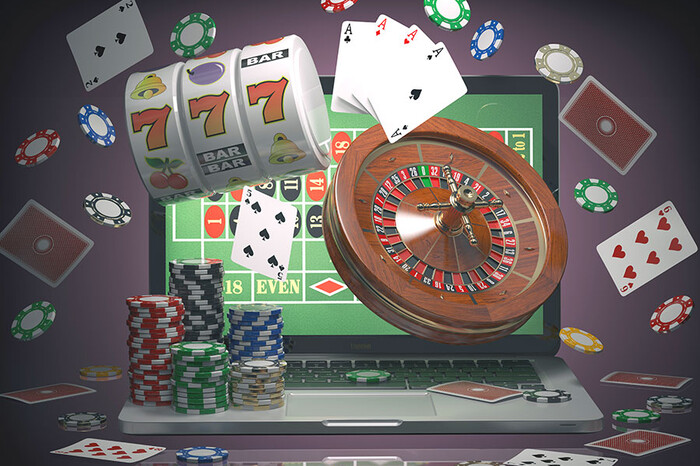
The environment within a casino plays a significant role in influencing player behavior and game choices. From the vibrant lights to the engaging sounds of slot machines and table games, casinos are designed to create an exhilarating atmosphere. This sensory overload captures players’ attention, making them more likely to partake in gambling activities. Additionally, many players enjoy visiting online casinos, where they can experience similar excitement from the comfort of their homes. The psychological concept of operant conditioning suggests that the immediate rewards—such as winning and the thrill of risk—reinforce the behavior of returning to play.

Moreover, the architectural layout of casinos often encourages exploration and decision-making. Players may find themselves wandering through the gaming floor, attracted to various games, which can lead to choices driven by impulse rather than strategy. This design tactic leverages the human tendency to seek novelty and excitement, often leading to prolonged play sessions and increased spending.
The Role of Individual Personality Traits
Personality traits significantly impact the types of games players choose. Research shows that risk-takers are more inclined towards high-stakes games like poker or blackjack, where skill and strategy come into play. Conversely, individuals who prefer a more conservative approach may gravitate towards games of pure chance, such as slot machines, where the element of skill is minimal. These preferences can often reflect deeper psychological traits, such as thrill-seeking or a desire for certainty.
Additionally, social interactions within gaming environments can influence player behavior. For instance, extroverted individuals may prefer multiplayer games that foster engagement and competition. In contrast, introverted players may opt for solitary experiences. Understanding these personal traits helps casinos tailor their offerings to enhance player satisfaction and loyalty.
The Impact of Emotions on Game Choices
Emotions play a critical role in influencing gambling behavior. Players often make decisions based on their emotional states, which can lead to impulsive game choices. For instance, someone experiencing stress might turn to gambling as a form of escapism, opting for games that promise quick rewards. This behavior aligns with the emotional regulation theory, suggesting that players use gambling as a way to cope with negative feelings.
Conversely, positive emotions can also dictate game choice. Players who feel excited or elated may be more inclined to take risks, leading them to select games with higher volatility. Understanding this emotional connection can aid casinos in creating tailored gaming experiences that resonate with various emotional states, ultimately enhancing player engagement.
The Influence of Marketing and Promotions
Marketing strategies employed by casinos significantly impact player behavior and game selection. Promotional offers, such as free spins or loyalty rewards, attract players to specific games and encourage them to participate more frequently. By leveraging behavioral economics principles, casinos can create enticing promotions that tap into players’ desires for instant gratification and reward.
Additionally, advertising campaigns that highlight the excitement and unique features of specific games can shape players’ perceptions and choices. Neuro marketing techniques analyze how players react to certain stimuli, allowing casinos to craft targeted messages that resonate with their desired audience. This strategic marketing approach not only drives game selection but also fosters a sense of community and belonging among players.
Understanding Player Behavior through Analytics
As technology advances, casinos increasingly rely on data analytics to understand player behavior more deeply. By tracking player patterns, preferences, and spending habits, operators can gain valuable insights into what drives game choices. This data-driven approach allows casinos to refine their offerings, optimize layouts, and personalize marketing strategies to meet the unique needs of their clientele.
Furthermore, understanding player behavior through analytics enables casinos to implement responsible gaming practices. By identifying at-risk players, operators can proactively offer support and resources, ensuring a safer gambling environment. This commitment to player welfare not only promotes a positive image of the casino but also enhances overall player trust and loyalty.
